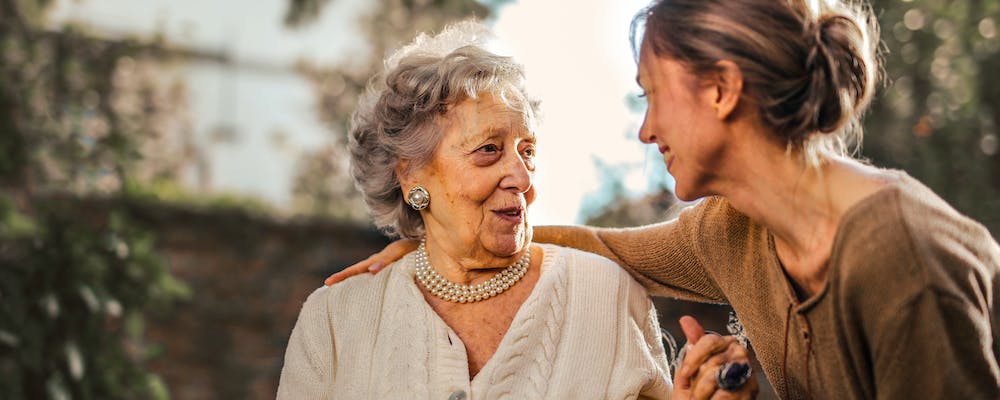
People often imagine loneliness as something dramatic and obvious. A person sitting quietly in an empty room with nobody around. But for many seniors living alone, loneliness looks much smaller and quieter than that. It can look like making too much food because they still cook for two out of habit. It can sound like the television staying on all day simply for background noise. Sometimes it is having an entire week go by without a meaningful conversation.
At first glance, a senior living alone may seem completely fine. The house is clean. Bills are paid. Meals are prepared. They may even insist they prefer being independent. But emotional isolation has a way of building slowly over time, especially after retirement, the loss of a spouse, or watching family members move farther away.
Loneliness Often Changes Daily Habits Before People Notice
One of the lesser discussed effects of loneliness is how quietly it changes routines. People naturally care for themselves differently when there is regular interaction in their lives. A senior expecting company may cook a proper meal, get dressed earlier, tidy the house, or go outside more often. Without regular companionship, those small habits can slowly disappear. These changes are usually gradual, which makes them easy for family members to miss at first. Companionship helps interrupt that cycle by bringing rhythm and engagement back into everyday life.
Conversation Keeps the Mind More Active Than People Realize
Most people think of companionship as emotional support, but regular conversation also exercises the brain. Simple back-and-forth interaction requires memory, attention, emotional response, and mental processing, all happening at once. Telling stories, discussing current events, or even joking around keep the mind engaged in ways that silent routines cannot.
Seniors living alone sometimes go long stretches without meaningful conversation. Over time, that lack of interaction can affect confidence in communication itself. We sometimes hear families say things like, “Mom does not talk as much anymore,” or “Dad seems quieter lately.” Often, it is not because they suddenly lost interest in speaking. It is because there are fewer opportunities to truly engage. A companion creates natural interaction throughout the day. Not forced conversation, but normal human moments that keep communication feeling active and comfortable.
Companionship Helps Reduce the Emotional Weight of Small Problems
Living alone means handling every frustration on your own, too. For seniors, even small issues can feel heavier when no one is nearby to talk to. A confusing letter in the mail. A difficult phone call. Trouble sleeping. A stressful appointment. Younger people often solve these moments quickly through casual daily interaction with coworkers, partners, or friends. Seniors living alone may sit with those worries much longer. This emotional buildup can increase anxiety more than families realize. One meaningful part of companionship is having someone present during ordinary moments, not just emergencies. Sometimes a short conversation over tea can completely shift the tone of someone’s day.
Familiar Faces Create Emotional Stability
There is something deeply comforting about seeing the same trusted person regularly. For seniors living alone, consistency matters more than people sometimes realize. Familiar companionship creates a sense of routine, predictability, and emotional grounding. One thing families often notice is mood improvement after consistent companionship begins. Seniors may laugh more easily, share more stories, or seem more emotionally present again because daily interaction brings energy back into the home.
Companionship Encourages Participation in Life Again
Isolation often shrinks a person’s world without them fully realizing it. At first, it may just mean declining one outing. Then another. Eventually, even simple activities can start feeling exhausting or “not worth the effort.” Companionship gently pushes against that pattern. A companion may encourage small outings, light activity, hobbies, or community events that a senior would not attend alone.
Companionship works best when it matches the senior’s personality. Some people enjoy long conversations. Others prefer quieter company while doing activities side by side. Good companionship respects that difference.
At ABC Home Support, we believe companionship is not just about “having someone around.” It plays a much deeper role in emotional health, mental sharpness, routine, confidence, and motivation.