Living alone can be very empowering. For older adults, living alone often represents independence, privacy, and control over their own lives. However, living alone with Parkinson’s poses very specific challenges that require careful planning. Adapting to aging in place with Parkinson’s doesn’t have to mean losing your independence; rather, it means designing your support system to make your life manageable, dignified, and safe.
The effects of Parkinson’s are far-reaching, from movement, balance, and coordination to even thinking and mood. The symptoms develop slowly, so it’s often not easy to recognize new risks. For solo agers or family caregivers, knowledge and preparation are crucial to staying safe at home.
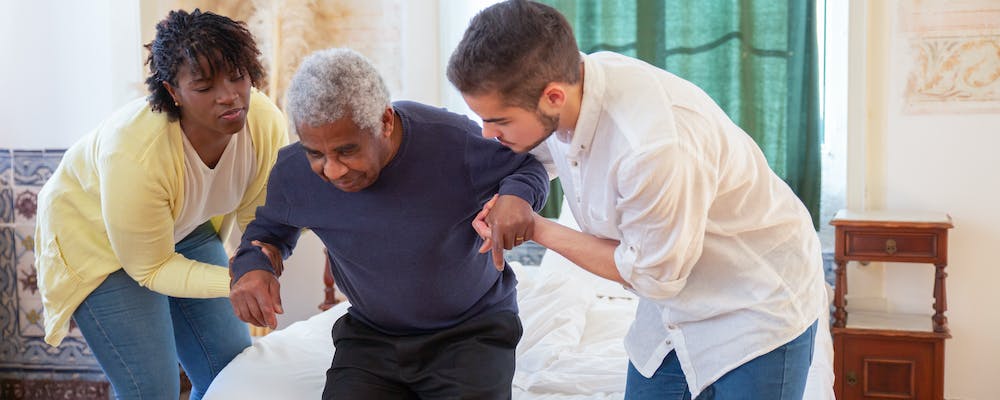
One of the most daunting problems for anyone suffering from Parkinson’s Disease is the risk of falling. Muscle stiffness, shuffling gait, and freezing can make any place seem treacherous. When you live alone, you may not have anyone readily available to help you if you do accidentally fall.
Medication timing is another challenge. Parkinson’s medications work best on a schedule, and missing doses can worsen symptoms quickly. Fatigue, memory changes, or tremors can make it harder to manage pills without a system in place.
There are also nonphysical risks to consider. Anxiety, depression, and isolation are common among solo agers with Parkinson’s. Emotional health plays a big role in physical safety, especially when motivation or focus starts to slip.
Small changes at home can make a big difference. Clear walkways help reduce tripping. Loose rugs, clutter, and cords should be removed or secured. Good lighting is essential, especially in hallways, bathrooms, and entryways, where balance issues often show up.
The bathrooms need particular attention. Grab bars near the toilets and showers will ensure stability. Non-slip mats make it easier to stand confidently on wet surfaces. A shower chair will prevent fatigue and minimize the risk of falls.
In the kitchen, the most-used items should be within reach. Reaching for things that are too high or too low may cause loss of balance. It is best to keep things organized for easy handling.
Routine is an effective technique to manage Parkinson’s disease. Waking up at the same time every day, eating at regular times, following medication schedules, and taking regular breaks help the body function more smoothly.
Activities should be planned during times of the day when the medicine will be most effective. This is when balance and movement are most reliable. More demanding tasks can be scheduled during these periods. Energy conservation also matters. Taking breaks, sitting when possible, and avoiding rushing help prevent fatigue-related accidents.
Addressing Emotional Well-Being
Safety is not only physical. Emotional health directly impacts decision-making, motivation, and awareness. Isolation can increase the risk of neglecting symptoms or delaying help. Staying connected through community services, local support groups, or meetups may have a significant positive impact on emotional well-being.
Talking with other people who understand Parkinson’s disease may alleviate fears and boost confidence. However, support for one’s mental health should never be ignored, and anxiety or depression should always receive the same level of concern as one’s physical health, especially when living alone.
Parkinson’s is progressive, which makes future planning essential. Solo agers should think ahead about what kind of help they may need later and where they want to receive it. Having legal and medical plans in place reduces stress during emergencies. Written instructions help others step in quickly if needed. Planning ahead is not giving up independence. It is protecting it.
Solo aging with Parkinson’s is possible, but it requires proactive choices. A safer home, supportive technology, strong routines, and reliable help all work together to reduce risk. Independence thrives when support is available at the right time. At ABC Home Support Service, we help solo agers with Parkinson’s live safely and confidently by providing compassionate, personalized care that supports independence while ensuring peace of mind.